
HMDD Measured Against Other Streetwear Labels: How Does It Stack Up?
By 2026, the streetwear world is crowded, noisy, and saturated with labels chasing the same hype cycle. HMDD — short for Happy Memories Don’t Die — has carved out a separate lane by leaning into nostalgia, story-led emotion, and a more understated kind of presence rather than shock-value graphics. The name itself signals the brand’s core idea: memories may dim, but the emotion tied to them ought to remain. That philosophy shows up in the stitching, the tonal choices, and the way HMDD pieces is marketed as memory you can wear rather than simple merch. And that’s essentially why this comparison sets out to show where HMDD sits alongside other streetwear labels, what an honest HMDD review actually looks like, and why shoppers searching for the best HMDD clothing repeatedly land on go-to items like sweatpants and shorts.
The streetwear market has broken apart into a few groups: long-standing skate-rooted labels, logo-heavy hype labels, and smaller independent names that prioritize community and storytelling over size. HMDD sits nearer the third camp. The brand isn’t pursuing partnerships with high-end fashion names or overwhelming drops every week. In contrast, HMDDLA — the label’s home base and creative identity rooted in Los Angeles — puts out collections in more limited, more considered batches. That limited supply isn’t engineered buzz; it’s a natural outcome of a brand developing gradually rather than mass-producing to keep up with orders.
The Brand’s Guiding Idea: Memory vs. Hype
Many streetwear names try to win on sheer visual noise — loud branding, collaboration tags, or seasonal gimmicks designed to trend for a brief window. HMDD instead leans on felt connection. The phrase “happy memories don’t die” isn’t just a tagline; it’s printed, embroidered, and referenced across the catalog as a repeated motif. As a result, the brand carries a cohesive identity that’s easier to recognize than labels that redesign their whole look every season.
That steadiness counts for more than most assume. A shopper who buys HMDD sweatpants in 2025 and returns hmmdla.org for shorts in 2026 will notice an identical visual vocabulary — muted palettes, understated graphic positioning, and a emphasis on comfort-first shapes. Compare that to labels that pivot from streetwear to techwear to Y2K revival within twelve months, and HMDD’s steadiness becomes a real differentiator. In streetwear, loyalty tends to grow out of predictability like this, not novelty.
A community dimension exists too. HMDD markets itself through storytelling — shopper-submitted images, individual captions, and a sense that the garments capture a memory rather than a flex. Bigger brands carrying thousands of SKUs find that closeness hard to sustain. Leaner brands such as HMDD are still able to engage their audience directly, which shows up in how quickly feedback from an HMDD review gets reflected in future drops.
Product Comparison: Where HMDD Really Holds Its Own
When people ask how HMDD’s apparel compares, they most often stack three things: fit, the heft of the material, and price-to-quality ratio. Search interest shows HMDD sweatpants and HMDD shorts as the most-searched categories, suggesting that bottoms outperform outerwear or accessories for the brand right now. That’s consistent with broader 2026 streetwear trends, where relaxed-fit bottoms are outselling structured jackets across the category.
Below is a broad comparison of how HMDD positions itself against two common streetwear archetypes: the high-volume hype brand and the independent boutique brand. It’s not a price war pitting one brand against another — it’s a structural comparison of how each type typically operates in the current market.
| Metric Being Assessed | HMDD | A Big Trend-Chasing Label | The Under-the-Radar Independent Name |
|---|---|---|---|
| Drop Pace | Sparingly scheduled, yet always considered | Following a near-constant cadence | Landing just a handful of occasions a year |
| Brand Identity | Memory-tinged narrative built on nostalgia | Built on the emblem, constantly chasing what’s hot | Shifting from name to name, seldom steady |
| The Types of Product At the Heart of the Range | Joggers, short bottoms, printed tees | Focused around hoodies, outerwear, and accessories | Hinges on the founder’s vision |
| Audience Involvement | Up-close and genuine, quick to respond to feedback | Broad, impersonal | Intimate but narrow scope |
| Where Cost Falls Overall | Sitting squarely in mid-range streetwear territory | Broad range, often premium | Moderate to high-end, uneven |
This table doesn’t aim to declare a lone champion — the streetwear space isn’t a one-size-fits-all space. It’s meant to show that HMDD’s strategy of calculated limited supply and emotionally driven branding positions it within a different competitive position than companies that depend solely on high volume or solely on niche cachet. HMDD borrows discipline from the boutique model while sidestepping the unevenness that often comes with more niche labels.
Fit, Material, and Everyday Livability
Fit is the deciding factor for this bottoms category. If they’re too fitted, they land in athleisure territory; too baggy and they resemble sleepwear. Rather than gym-only use, HMDD’s take on these two categories leans toward a relaxed, tapered silhouette suited to everyday use. This distinction matters, since a lot of streetwear sweatpants are either too oversized to layer well or too snug to stay comfortable over extended wear.
HMDD’s shorts are built on a similar logic – silhouettes spanning mid-thigh to knee that team up smoothly with graphic-print t-shirts or roomy layering pieces. This counts in a 2026 market where shoppers are moving toward items that bridge everyday outings and relaxed downtime, rather than owning separate wardrobes for each. Reviewers frequently note that HMDD shorts hold their shape after multiple washes, which speaks to fabric weight and construction rather than just cut.
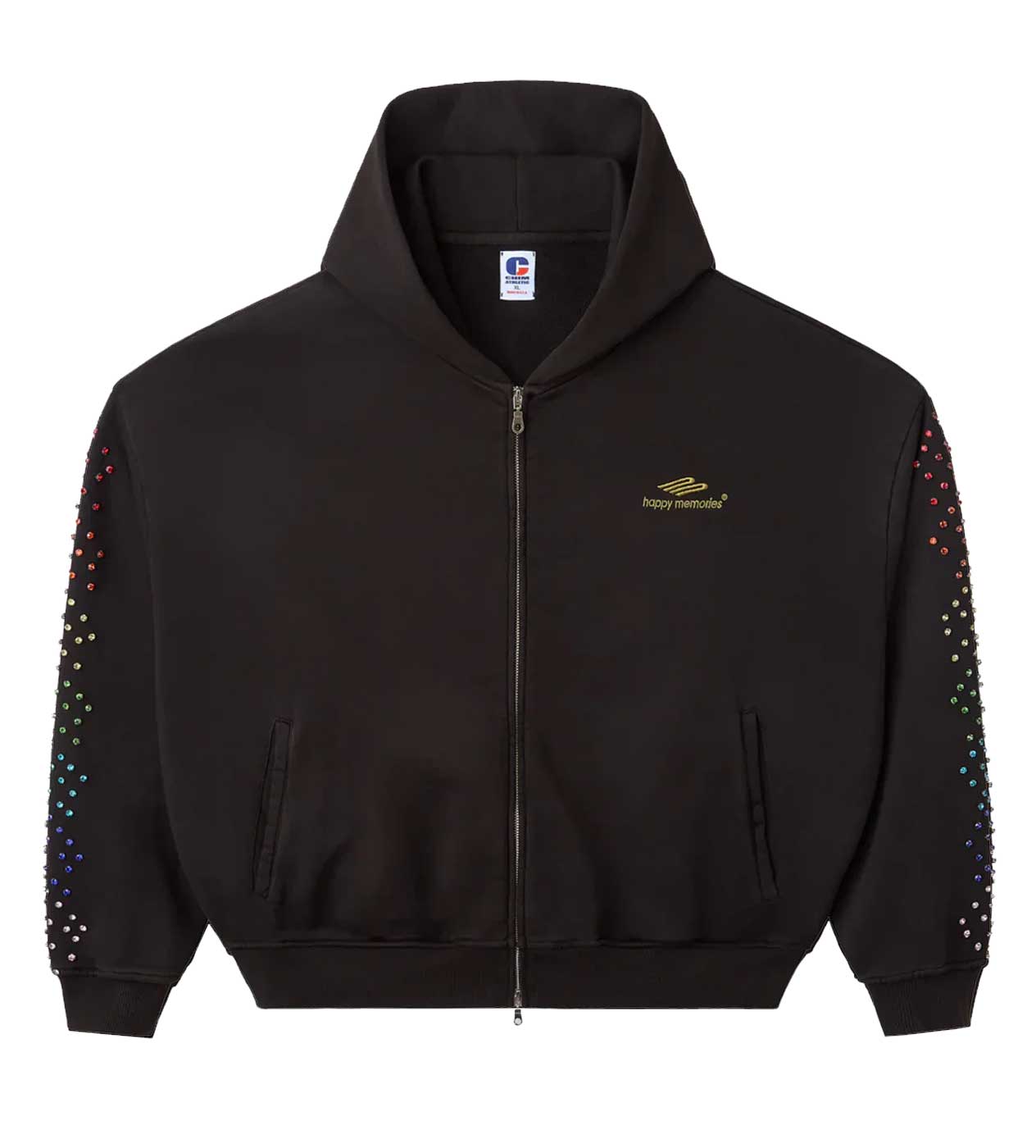
In terms of where HMDD differs from mass-market competitors lies in restraint. Numerous buzz-driven brands weigh down sweatpants with side stripes, oversized branding, or multiple logo placements. More often than not, HMDD keeps its graphics pared-down — a small nod to “happy memories don’t die” rather than a oversized chest print. That understatement appeals to shoppers who want recognizable streetwear without looking like a walking billboard.
What Customers Actually Say
As word of mouth, instead of sponsored promotion, carries the brand forward, query volume around “HMDD review” has climbed consistently as more buyers discover the brand. The consistent threads in shopper reviews are largely predictable: comfort rates highly, sizing aligns to what a loose fit implies, and the sentimental identity either connects on a personal level or doesn’t land at all — there’s not much middle ground. That polarization is actually a positive signal in street fashion, where forgettable, inoffensive design seldom creates a devoted fanbase.
Typical pain points to be aware of include scarce replenishment and narrower size ranges compared to bigger rival brands. Because HMDD isn’t mass-producing at the scale of more dominant streetwear brands, popular sizes in sweatpants and shorts can sell out faster, which buyers ought to consider before taking availability for granted. It’s a compromise rather than a real shortcoming — restricted availability is part of what keeps the HMDDLA identity reading as considered rather than mass-market.
Weighing it all together, the general feeling surrounding HMDD clothing leans favorable, particularly among customers who place more weight on substance and comfort over aggressive logo placement. This is a smaller crowd than a brand chasing mass appeal, but it’s a more loyal one — the kind of customer base that comes back for each new release instead of switching over to whatever’s trending next month.
How HMDD Slots In in a 2026 Wardrobe
Streetwear buyers building a 2026 rotation are increasingly mixing brands rather than wearing just one label top to bottom. HMDD integrates smoothly into that mix as the “comfort and meaning” piece — the sweatpants you pull on on a lazy Sunday, or the shorts that go alongside a more dominant jacket from another label entirely. It’s not positioned to be an all-purpose brand, and that’s arguably its strength.
For customers specifically comparing bottoms, HMDD sweatpants and HMDD shorts remain the most obvious starting point into the brand. They highlight the approach to fit, the understated logo work, and the fabric quality that reviewers reference most frequently. Buyers exploring the best HMDD clothing to start with should consider these two categories as the baseline before moving on to tops or special drops.
In the end, comparing HMDD to other streetwear labels isn’t about declaring a definitive winner. It’s about acknowledging that HMDD occupies a particular niche — reflective, low-key, and community-oriented — that bigger and flashier competitors weren’t designed to imitate. For shoppers who want streetwear that comes across as personal instead of mass-produced, that’s precisely the appeal.

Leave A Comment