
Receding Gums: What It Means and How It’s Treated
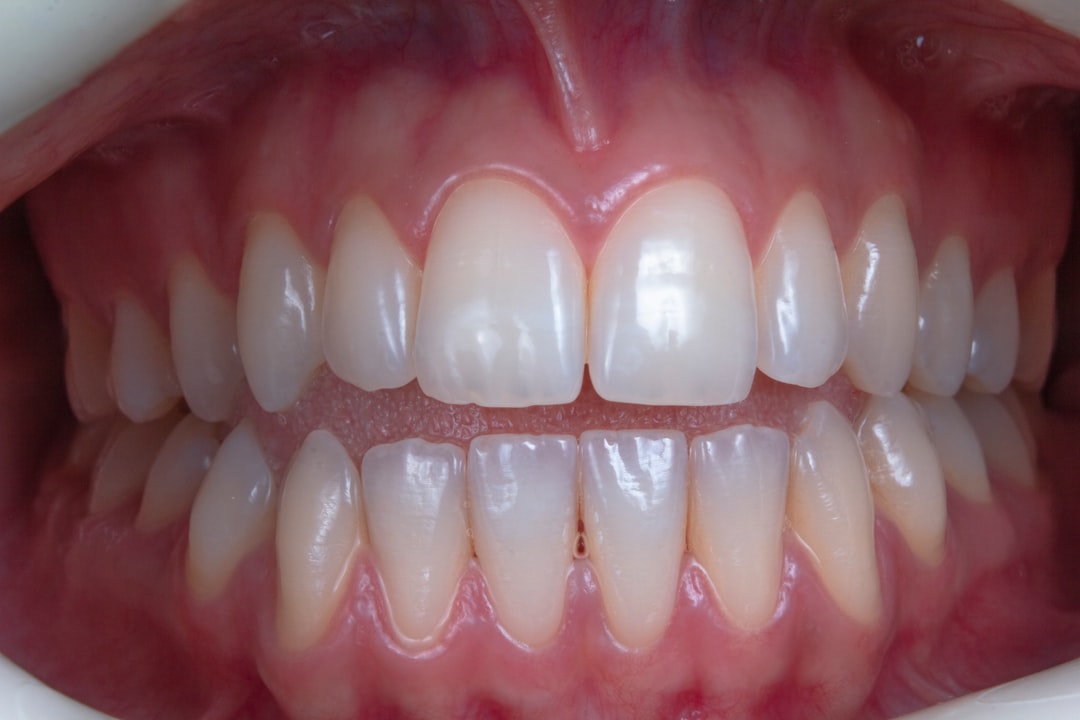
If your teeth appear to be getting longer — or if you can see more of the tooth root than you used to — your gums are likely receding. Gum recession is the process of gum tissue gradually pulling back from the teeth, exposing the root surface below. It’s extremely common, especially in older adults, and it brings a specific set of dental risks.
Why Gum Recession Happens
There are several causes. Gum disease is the most significant: as periodontitis destroys the bone and tissue supporting the teeth, the gum tissue recedes along with it. Aggressive toothbrushing — pressing too hard or using a hard-bristled brush — mechanically wears away gum tissue over time. Genetics plays a role; some people are simply born with thinner gum tissue that recedes more easily. Teeth that are misaligned or out of position may have less gum tissue on one side. Clenching or grinding teeth creates forces that contribute to recession over time.
Why It Matters
The root surface of a tooth is covered with cementum — a thin layer that is far less hard than enamel. Exposed roots are significantly more vulnerable to decay (root caries), which can progress quickly. Sensitivity to temperature, pressure, and sweet foods is extremely common with recession, because the tubules connecting to the nerve are close to the surface.
Recession also changes the appearance of the smile, and for many patients, the cosmetic change is distressing.
Can Receded Gums Grow Back—
Unfortunately, once gum tissue recedes, it does not regenerate on its own. The body doesn’t replace it. What you can do is stop the recession from progressing and treat the exposed roots to prevent decay and sensitivity.
For significant recession that is affecting appearance or function, a gum graft procedure — done by a periodontist — can cover exposed roots with new tissue. This is a surgical procedure but can be very effective.
Treatment at Home and with Your Dentist
Switching to a soft-bristled brush and lightening your pressure is important for preventing further recession from brushing. Treating any active gum disease halts disease-related recession. Desensitizing agents, bonding material, or prescription fluoride applied to exposed root surfaces helps with sensitivity and protection. Regular monitoring is important — your dentist should measure recession at each visit to track whether it’s stable or progressing.
Ready to schedule— Call Smiles by Delivery at 623-584-4746 or visit smilesbydelivery.com







Leave A Comment